


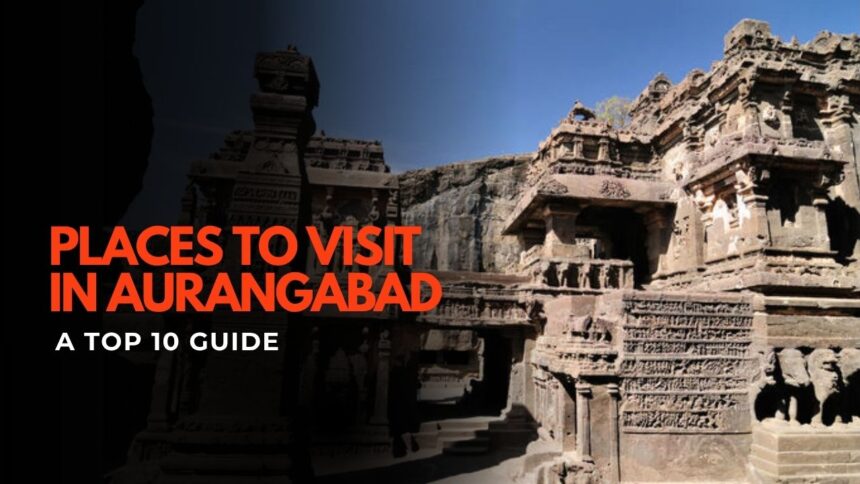
A Comprehensive Guide to the Top 10 Places to Visit in Aurangabad
Often regarded as the tourism capital of Maharashtra, Aurangabad serves as a crucial gateway to some of India’s most significant historical monuments. The city itself, steeped in Mughal history, presents a compelling destination for travelers seeking to understand the subcontinent’s layered past. This guide provides a detailed itinerary of the essential places to visit in Aurangabad, moving beyond the well-trodden path to offer a complete picture of the region’s cultural and architectural wealth.
Aurangabad’s appeal lies in its dual identity: a bustling contemporary city that also functions as a living museum. Its proximity to two UNESCO World Heritage Sites—the Ajanta and Ellora Caves—cements its position on the global travel map. Yet, a journey limited only to these famous caves would be an incomplete one. The city and its surroundings hold forts, tombs, and temples that narrate centuries of dynastic change and artistic evolution.
Here is a look at the historical and cultural landmarks that define a trip to Aurangabad:
- What Defines Aurangabad’s Attractions?
- Why These Historical Sites Matter
- Discovering the Top 10 Places to Visit in Aurangabad
- How to Get Started with Your Trip Planning
- Best Practices for Exploring the Region
- Common Mistakes to Avoid
- Conclusion: Your Aurangabad Itinerary
What are the Places to Visit in Aurangabad?
The attractions in Aurangabad can be broadly categorized into three distinct groups: ancient rock-cut caves, Mughal and pre-Mughal architectural structures, and sites of religious or natural significance. The primary draw remains the cave complexes of Ajanta and Ellora, which represent pinnacles of ancient Indian artistry and religious devotion.
Beyond these, the city offers a significant collection of Mughal-era monuments. These were largely commissioned during the reign of Emperor Aurangzeb, who made the city his capital in the 17th century. Structures like Bibi Ka Maqbara and the fortifications around the city provide direct insight into the architectural principles of the late Mughal period.
Finally, the list of places to visit in Aurangabad is rounded out by important pilgrimage centers like the Grishneshwar Temple, unique feats of engineering like Panchakki, and serene natural escapes that provide a welcome contrast to the historical density of the other sites.
Why Visiting Aurangabad Matters
Aurangabad is more than a convenient base for excursion; it is a destination of profound historical importance. A visit here offers a chronological journey through India’s artistic and religious evolution. The Ajanta Caves, with their serene Buddhist frescoes, transport you to an era between the 2nd century BCE and the 5th century CE. In contrast, the Ellora Caves present a remarkable tableau of religious harmony, with Buddhist, Hindu, and Jain temples carved in close proximity.
This historical narrative continues within Aurangabad city itself. The strategic importance of the Daulatabad Fort speaks to the military ambitions of medieval sultanates, while the grandeur of Bibi Ka Maqbara reflects the aesthetic sensibilities of the Mughal Empire in its later phase. The city acts as a physical timeline, allowing visitors to trace the architectural and cultural shifts that have shaped this part of India.
Exploring these sites provides a tangible connection to the past. It allows for an appreciation of the immense skill, labor, and vision required to create monolithic temples from solid rock or to build imposing fortresses on seemingly impregnable hilltops. It is an exploration of human ingenuity and faith across different millennia.
Discovering the Top 10 Places to Visit in Aurangabad
This curated list represents the most significant historical, cultural, and natural attractions the region has to offer. They are foundational to any well-rounded itinerary and provide a deep look into the area’s heritage.
1. The Ajanta Caves
As one of the most remarkable places to visit in Aurangabad, the Ajanta Caves are a complex of 30 rock-cut Buddhist monuments. Carved into a horseshoe-shaped cliffside, the caves contain some of the finest surviving examples of ancient Indian painting and sculpture. The frescoes primarily depict the Jataka tales, which are stories of the Buddha’s previous lives. The artistry is exceptionally detailed, providing invaluable insight into the life, culture, and beliefs of the period.
2. The Ellora Caves
Located just 30 kilometers from Aurangabad, the Ellora Caves are a UNESCO World Heritage Site renowned for their scale and religious syncretism. The site features over 100 caves, with 34 open to the public, representing Buddhist, Hindu, and Jain traditions. The centerpiece is Cave 16, the Kailasa Temple, which is the world’s largest single monolithic rock excavation. Its sheer size and intricate carvings are a testament to the ambition and skill of its creators.
3. Bibi Ka Maqbara
Often referred to as the “Taj of the Deccan,” Bibi Ka Maqbara is a beautiful mausoleum built by Aurangzeb’s son, Prince Azam Shah, in memory of his mother, Dilras Banu Begum. While it was designed to rival the Taj Mahal, budget constraints resulted in a smaller, less opulent structure. Still, its elegant proportions, intricate marble screens, and formal gardens make it a striking example of late Mughal architecture and a primary attraction within Aurangabad city.
4. Daulatabad Fort
This formidable hilltop fortress, originally known as Devagiri, has a history stretching back to the 12th century. Its most striking features are its ingenious defensive mechanisms, including a complex series of gates, a deep rock-cut moat, and the “Andheri,” a labyrinthine dark passage designed to confuse and trap invaders. Climbing to the top rewards visitors with panoramic views and a deep appreciation for medieval military strategy.
5. Grishneshwar Jyotirlinga Temple
Situated near the Ellora Caves, the Grishneshwar Temple is a revered Hindu pilgrimage site. It is significant for being the 12th and final Jyotirlinga, which are sacred shrines where the god Shiva is worshipped in the form of a lingam of light. The current temple was rebuilt in the 18th century by Queen Ahilyabai Holkar and features traditional South Indian temple architecture with intricate carvings.
6. Panchakki (Water Mill)
An intriguing example of medieval Indian engineering, Panchakki was designed to generate energy from water brought through an underground channel from a source 6 kilometers away. This energy was used to turn a large grinding stone, which served to grind grain for pilgrims and soldiers. The facility includes a mosque, a library, and the tomb of the Sufi saint Baba Shah Musafir, who was the spiritual advisor to Aurangzeb.
Read More: architectural engineering of India’s ancient water management systems
7. Aurangabad Caves
Often overlooked in favor of their more famous counterparts, the Aurangabad Caves are a set of 12 rock-cut Buddhist shrines located on a hill just outside the city. Carved between the 6th and 8th centuries, they offer a quieter, more intimate experience. The sculptures, particularly those depicting Tantric Buddhist themes, are of high artistic quality and provide a different perspective on the evolution of Buddhist art in the region.
8. Khuldabad and the Valley of Saints
Khuldabad, a small town near Ellora, is known as the “Valley of Saints” because it is the final resting place of several important Sufi saints of the Chishti order. It is also where the tomb of the last powerful Mughal emperor, Aurangzeb, is located. His simple, open-air grave stands in stark contrast to the grand mausoleums of his predecessors, reflecting his austere personal beliefs.
9. Salim Ali Lake & Bird Sanctuary
For a change of pace from historical sites, Salim Ali Lake offers a patch of nature in the heart of Aurangabad. Named after the renowned Indian ornithologist, the lake and its surrounding biodiversity park attract numerous bird species, particularly during the migratory season. It’s a peaceful spot for a walk and some bird-watching.
10. Siddharth Garden and Zoo
This landscaped garden and small zoo is a popular recreational area for local families. While not a primary historical destination, it provides a pleasant green space to relax. The garden is well-maintained with a wide variety of trees and flowers, and the zoo houses a number of animals, including tigers, lions, and deer.
How to Get Started with Your Aurangabad Trip
Proper planning is essential to make the most of your visit. The ideal time to travel is during the winter months, from October to March, when the weather is cool and pleasant for sightseeing. The summer months (April to June) can be extremely hot, while the monsoon (July to September) can bring heavy rainfall, though the landscape becomes lush and green.
Also Read: safety tips for traveling during India’s monsoon season
Aurangabad is well-connected. The city has its own airport, Chikalthana Airport (IXU), with flights to major Indian cities like Mumbai and Delhi. It is also a major railway junction, offering good connectivity across the country. Road access via national highways is also excellent, with regular bus services from nearby cities like Pune and Nashik.
Accommodation options cater to all budgets, from affordable guesthouses to luxury hotels. It is advisable to book in advance, especially during the peak tourist season. When planning your logistics, consider your insurance needs.
This Might Interest You: choosing the right travel insurance for domestic trips
Best Practices for Exploring Aurangabad
To navigate the region efficiently, consider hiring a car and driver for day trips to Ajanta and Ellora. The sites are a considerable distance from the city and from each other, making private transport the most convenient option. For travel within Aurangabad, auto-rickshaws are readily available; agree on a fare before starting your journey.
Hiring a licensed guide at the Ajanta and Ellora Caves is highly recommended. The historical context and artistic details they provide can transform the experience from simple sightseeing into a deep learning opportunity. Guides are available at the entrance of the sites.
When visiting religious sites such as the Grishneshwar Temple or the mosques in Khuldabad, it is important to dress modestly. This typically means covering your shoulders and knees. Being mindful of local customs will ensure a respectful and smooth visit.
Related: cultural etiquette for visiting monuments and temples in India
Common Mistakes to Avoid
A frequent error is underestimating the time required for the main attractions. Attempting to visit both the Ajanta and Ellora Caves in a single day is not feasible or enjoyable. Dedicate one full day for each site to appreciate their scale and artistry without rushing.
Another mistake is treating Aurangabad as merely a base. The city itself, with landmarks like Bibi Ka Maqbara and Panchakki, warrants at least one full day of exploration. Overlooking these urban sites means missing a key part of the region’s history.
Always carry sufficient cash, as smaller vendors, local eateries, and some auto-rickshaws may not accept digital payments. Finally, do not underestimate the sun, even in the cooler months. Carry water, wear a hat, and use sunscreen, as exploring the vast, open sites involves significant sun exposure.
Conclusion & CTA
Aurangabad offers a journey through the epic history of India, captured in stone and paint. From the ancient meditative calm of the Ajanta Caves to the formidable defenses of Daulatabad Fort, the region presents a diverse and compelling narrative. By balancing the world-famous monuments with the city’s own unique charms, a visit becomes a rich, educational, and deeply rewarding experience.
The list of places to visit in Aurangabad is a testament to centuries of human creativity and devotion. Planning a thoughtful itinerary ensures that you can fully absorb the weight and wonder of this incredible historical landscape.
Which of these historical wonders will you explore first on your journey to Aurangabad?